A Functional Ingredient for The Future of Health

IMG-1® oral peptide is a polypeptide that has been shown to enhance overall wellness* and healthy aging in individuals, acting as a valuable additive or standalone product.

About IMG-1®

The IMG-1® oral peptide is a safe, NDIN-acknowledged dietary ingredient that targets key health markers to help support:

Optimized Blood Glucose
Maintained Blood Pressure
Cholesterol
Longevity
Healthy Inflammatory Response

The Science Behind IMG-1®

Our research and science show the potential of IMG-1® to promote the growth and activity of critical cells that impact your healthspan and longevity.

Learn More
86
%
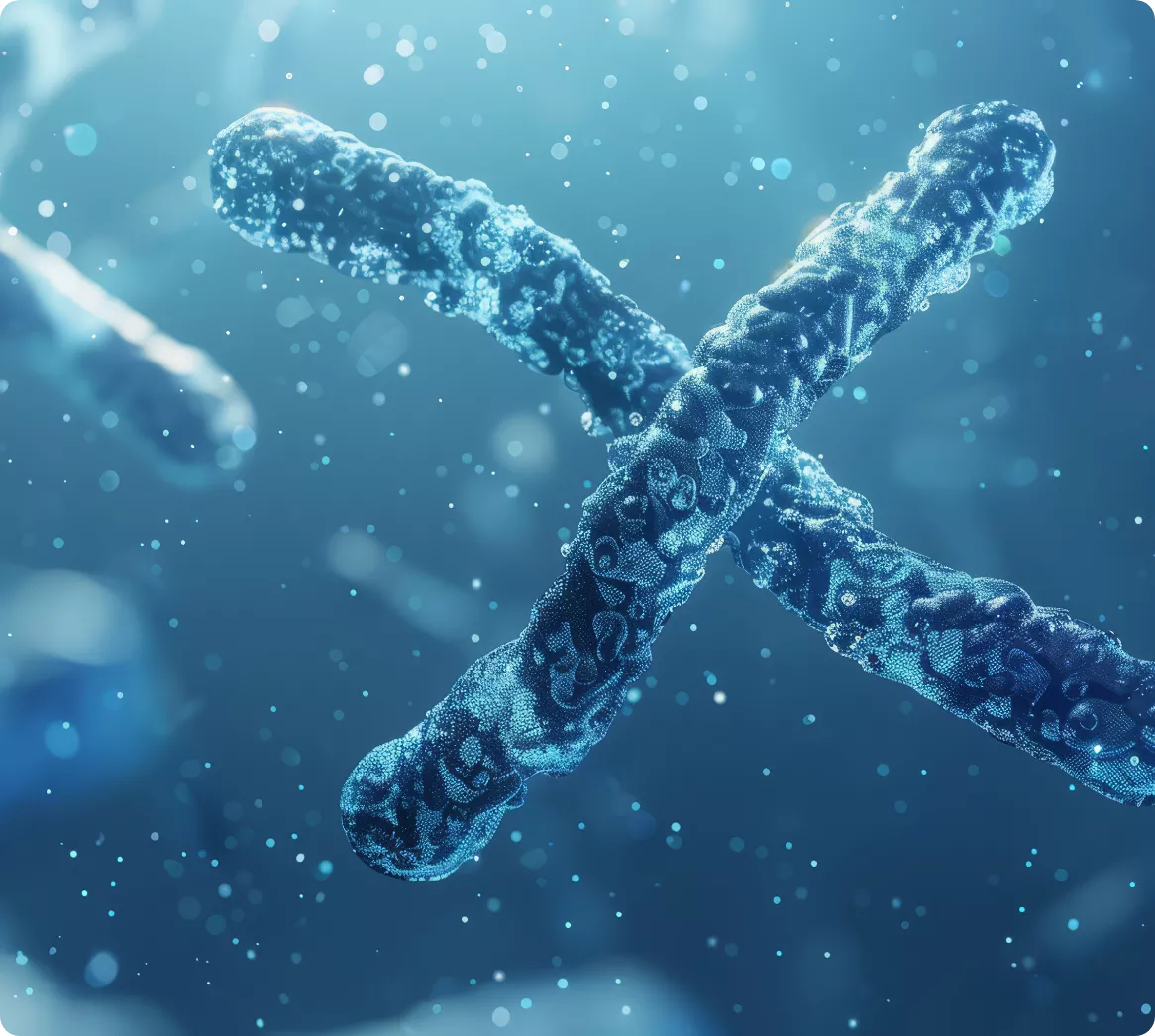
of participants saw an increase in average telomere length
93
%
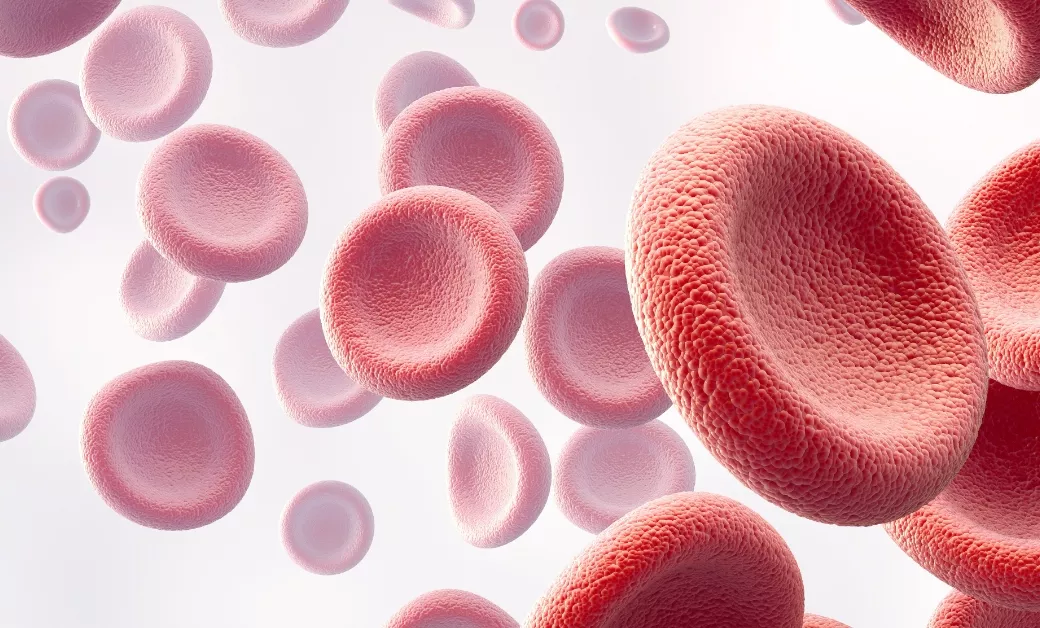
of participants saw a reduction in glucose levels

Benefits That Matter to Everyone

Blood Sugar
By maintaining healthy blood sugar, you’re supporting your overall wellbeing today and protecting your body from potential complications in the future.

Learn more about the benefits of stabilizing blood sugar levels

Cholesterol
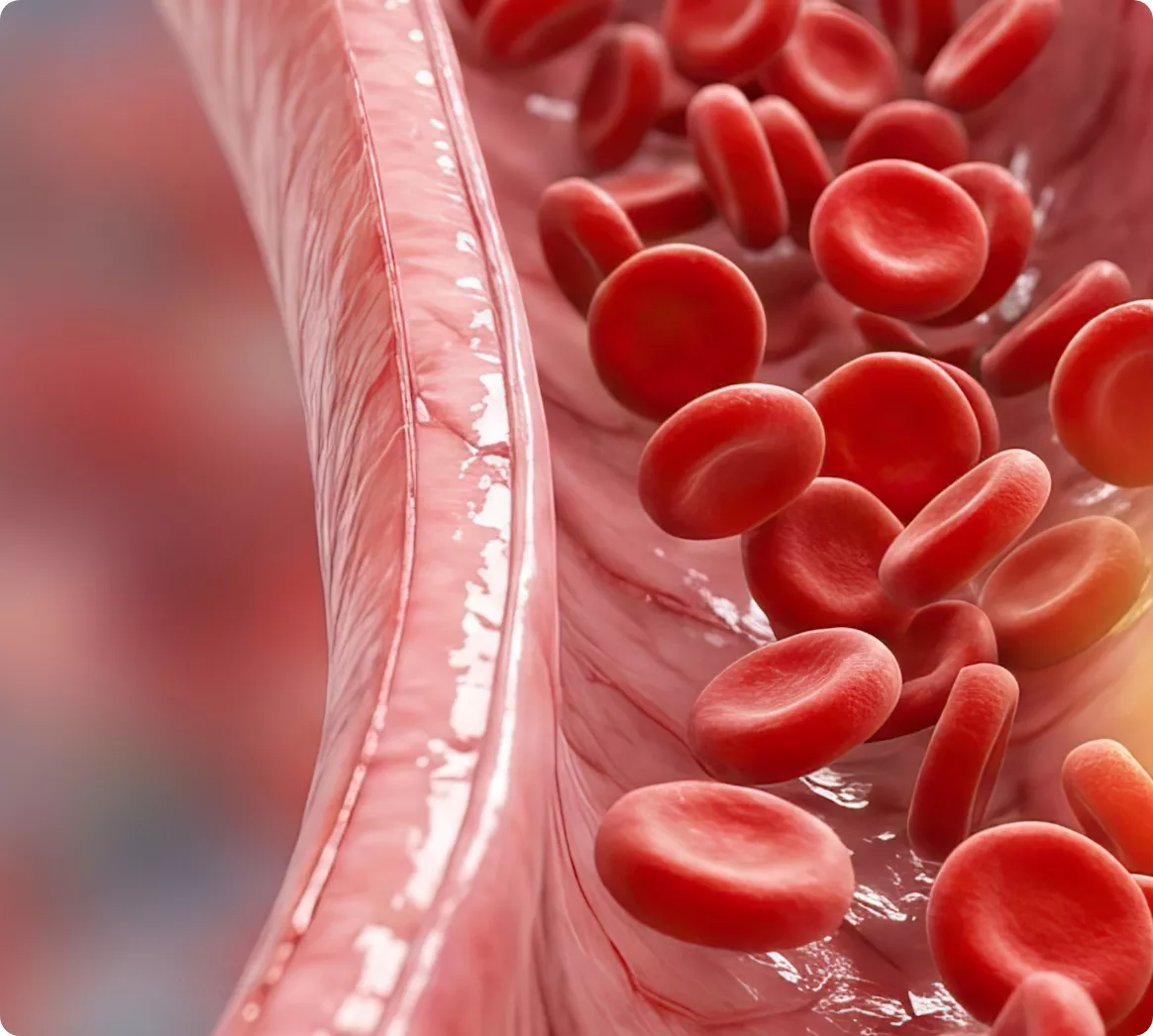
The buildup of arterial plaque caused by high LDL cholesterol levels can restrict blood flow to your heart and brain.

Learn more about the benefits of lowering cholesterol

Telomeres
Telomeres play a crucial role in how your cells function. As we get older, our telomeres naturally shorten with each cell division and eventually may no longer divide and function properly, leading to age-related decline and complications.

Learn more about the benefits of lengthening telomeres

Inflammatory Response
C-reactive protein (CRP) is a substance produced by your liver in response to inflammation in the body. High CRP levels can signal potential health declines.

Learn more about the benefits of reducing inflammation

Blood Sugar
Cholesterol
Telomeres
Inflammatory Response

The Science Behind IMG-1®

IMG-1® Supports the Regeneration of Key Progenitor Cell Types*
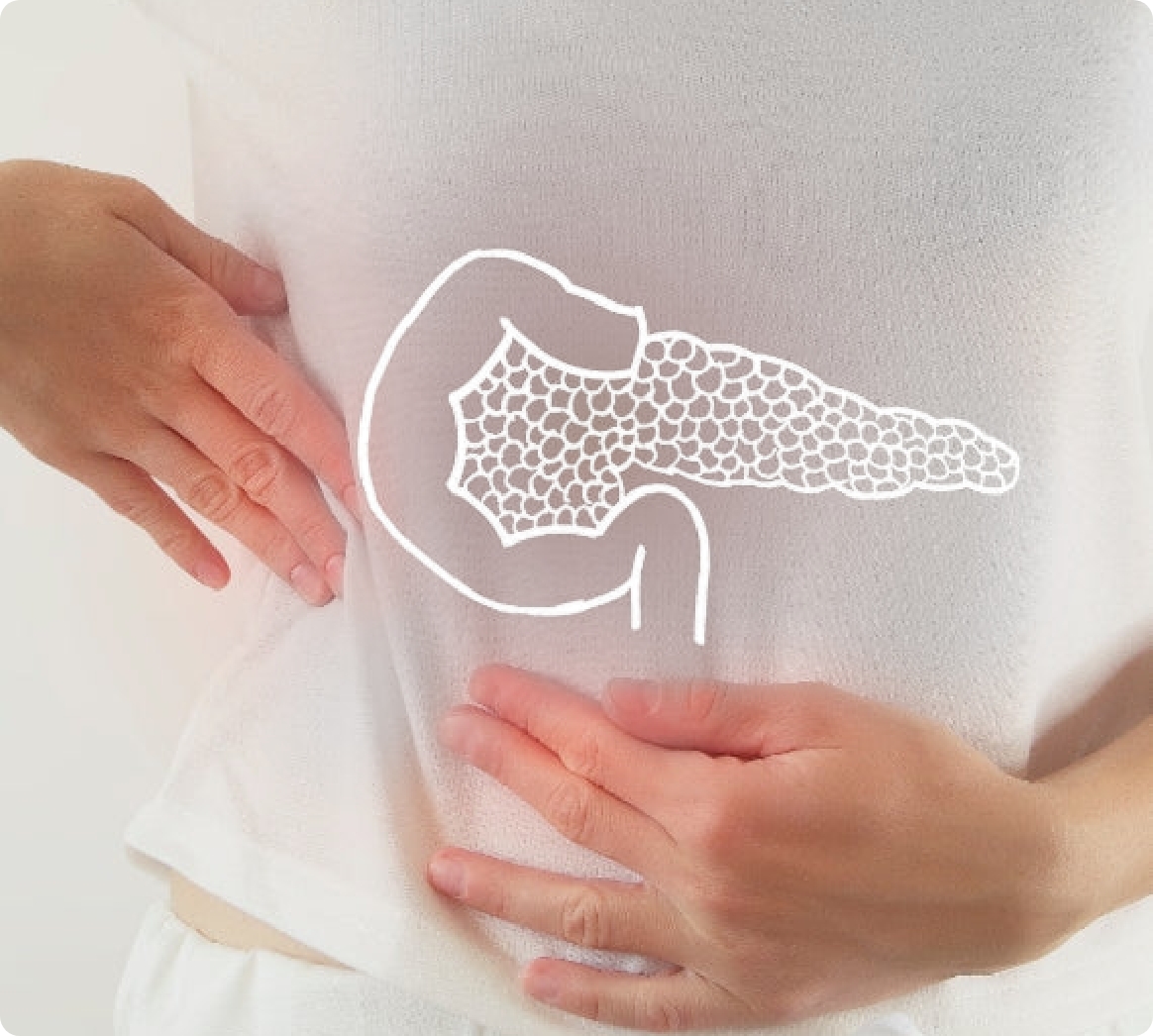
Islet cells
The pancreas contains clusters of cells that produce hormones. These clusters are known as islets. There are several different types of cells in an islet. For example, alpha cells make the hormone glucagon, which raises the glucose (a type of sugar) level in the blood.

Endothelial cells
Endothelial cells form a single cell layer that lines all blood vessels and regulates exchanges between the bloodstream and the surrounding tissues. Signals from endothelial cells organize the growth and development of connective tissue cells that form the surrounding layers of the blood-vessel wall.

Chondrocyte cells
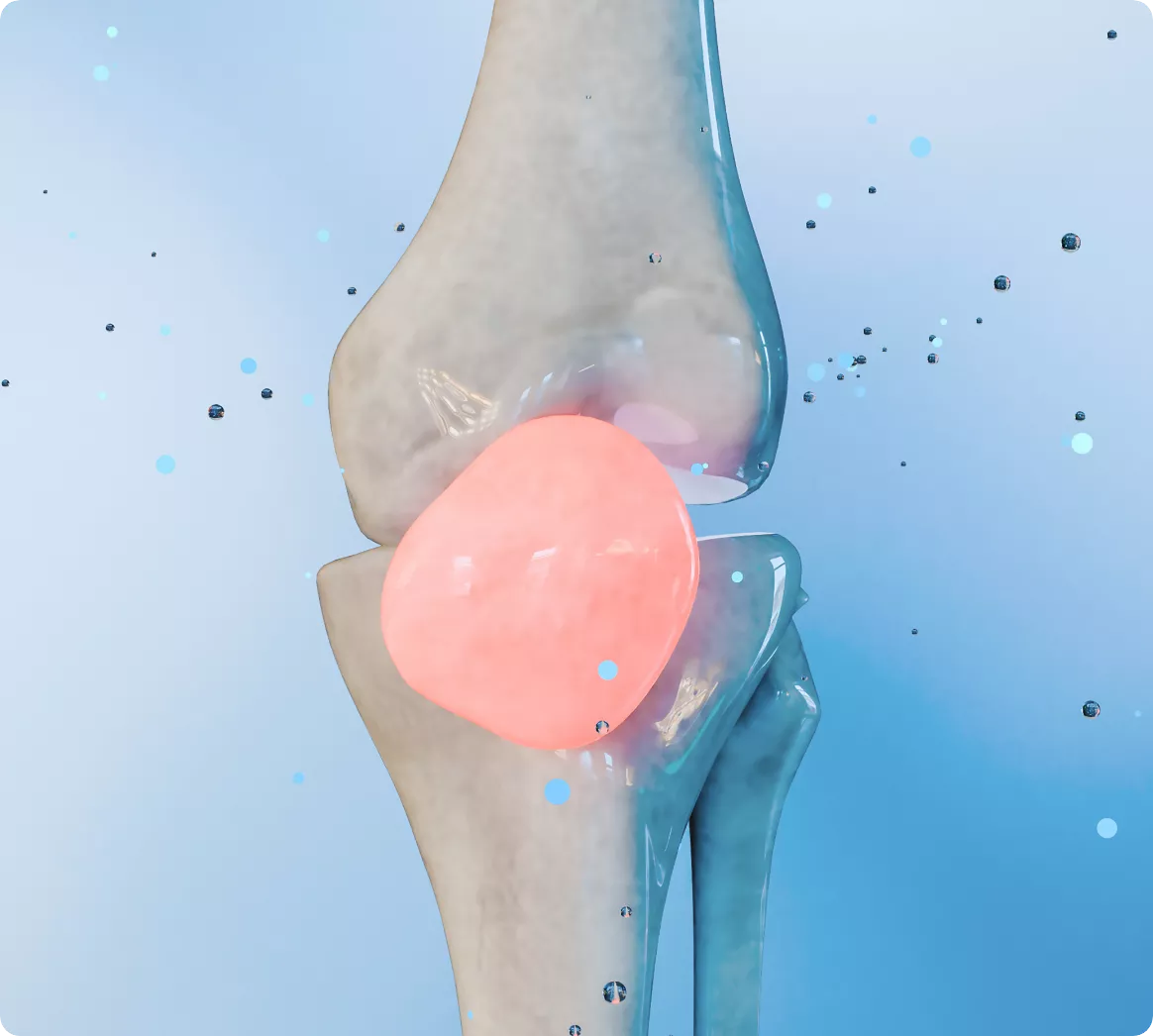
Chondrocytes are the cells responsible for cartilage formation, and they are crucial for the process of endochondral ossification, which is useful for bone development. Also, by mimicking skeletal development chondrocytes play a critical role in fracture repair.

Epithelial cells
Epithelial cells are among the most abundant cells covering the skin, body cavities, and blood vessels. They contribute significantly to several aspects of the human life cycle from embryogenesis to adulthood. Their highly specialized histologic feature is critical for their physiological functions in different organs.

Pneumocyte cells
The alveolar epithelial cells (pneumocytes) line the alveolar compartment of the lungs. There exist two types of alveolar cells: type I (the prevailing type) and type II alveolar cells. Type I alveolar cells are squamous extremely thin cells involved in the process of gas exchange between the alveoli and blood.

Keratinocyte cells
As the most dominant cell type constituting the epidermis, keratinocytes play multiple roles essential for skin repair. They are the executors of the re-epithelialization process, whereby keratinocytes migrate, proliferate, and differentiate to restore the epidermal barrier.

Islet cells
Endothelial cells
Chondrocyte cells
Epithelial cells
Pneumocyte cells
Keratinocyte cells

IMG-1’s Mechanism of Action

Increases Progenitor Cell Pool in Critical Cell Types*
1
Oral Delivery

Transports safely from the digestive tract to the blood (absorbed through endocytosis and shuttled across and extruded into blood).

2
Modulation

Modulates CD133+, a transmembrane glycoprotein that marks somatic progenitor cells.

3
Activation

Activates progenitor cells. Progenitor cells are the body’s natural repair system.

4
Regeneration

Cells differentiate and may replace dying or damaged tissue (chondrocytes, islets, keratinocytes, endothelial cells).

All of the good. None of the bad.

Dairy Free
No Artificial Sweeteners or Flavors
Alcohol Free
Nut Free
Glyphosate Free
Soy Free
Vegan
No Binders

Take Your Brand to the
Next Level of Health

Contact Us